The 2024 latest process research
from Beike Biotech's Preparation Center
has been published in the renowned international journal in the stem cell field
Stem Cell Research & Therapy!

On May 3, 2024, the Chu Wanglong team at the Preparation Center of Shenzhen Beike Biotechnology Co., Ltd. published an important research paper[1] in the renowned international journal Stem Cell Research & Therapy in the stem cell research field. The paper, titled "A GMP-compliant manufacturing method for Wharton's jelly-derived mesenchymal stromal cells", has an impact factor of 7.5, falls in JCR Q1, and is also a CAS Tier 2 top journal.
In recent years, a large body of research has shown that umbilical cord mesenchymal stem cells have broad application prospects in regenerative medicine, with their strong immunomodulatory and tissue-repair capabilities attracting wide attention. Compared with bone marrow mesenchymal stem cells, umbilical cord mesenchymal stem cells are easier to obtain and significantly reduce pain and ethical concerns during collection. In addition, the unique low immunogenicity and high proliferative capacity of umbilical cord mesenchymal stem cells make them well suited for large-scale expansion. More importantly, long-term in vitro culture has minimal impact on their phenotypic and genetic stability — adding important weight to their broad clinical application potential.
The relevant guidelines published by the National Medical Products Administration[2] make clear that cell drugs should be developed under the principle of "quality by design". The complexity of cell products far exceeds that of conventional drugs. Their production requires not only quality of the cells themselves but also in-depth study and strict control of the manufacturing process and full validation of the applicability of the test methods.
In this study, the team strongly emphasized the importance of building a system that complies with Good Manufacturing Practice (GMP) standards. First, all selected materials were ensured to meet GMP or pharmaceutical-grade standards. Critical process parameters were then optimized and successfully scaled up to a cell factory system. Comprehensive quality control and stability studies were carried out, including cell morphology observation, cell number and viability testing, cell expansion capability analysis, cell phenotype testing, growth curve and cell cycle analysis, colony-forming ability testing, cell senescence analysis, multilineage differentiation potential testing, karyotype analysis, biological potency testing (immunomodulatory capacity testing), and microbial control, to ensure the production of high-quality WJ-MSCs. By developing simplified and innovative methods to isolate and culture WJ-MSCs, the team not only increased cell yield but also ensured cell viability, growth potential, purity, and functionality throughout the production process. This work ultimately ensured the production of safe and effective WJ-MSCs. (Selected results of the paper are shown in Figures 1–2)
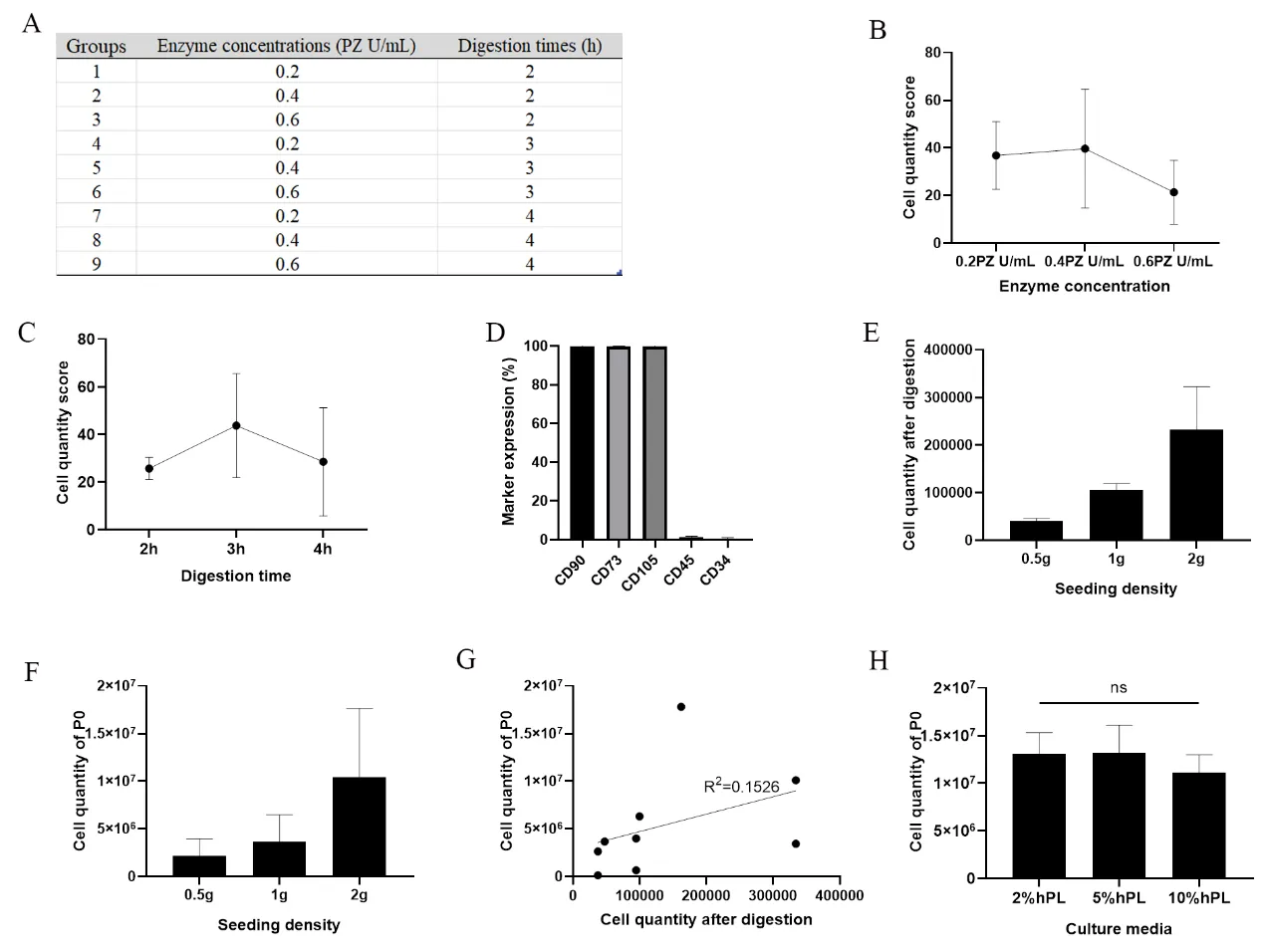
(Figure 1: Selected results of the process research)
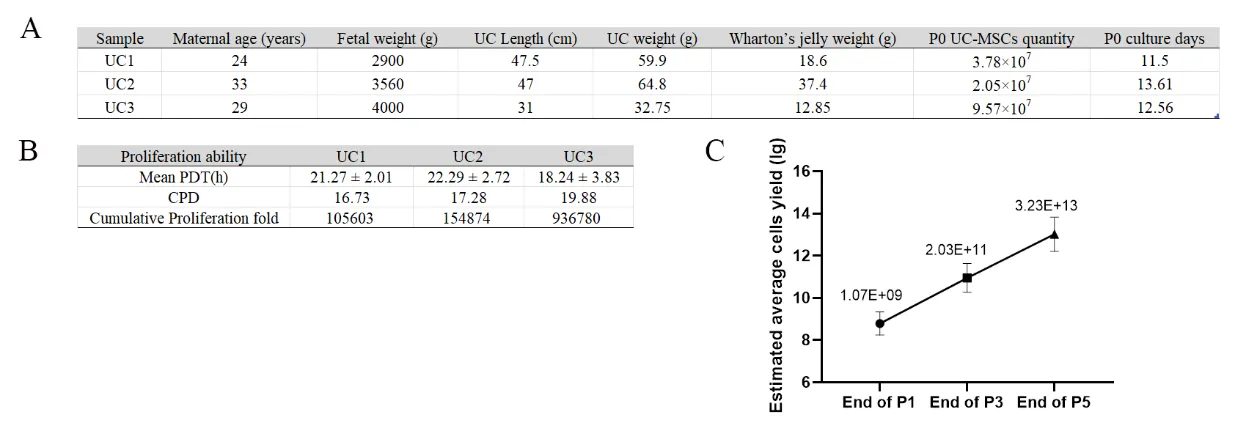
(Figure 2: Selected results of the process scale-up)
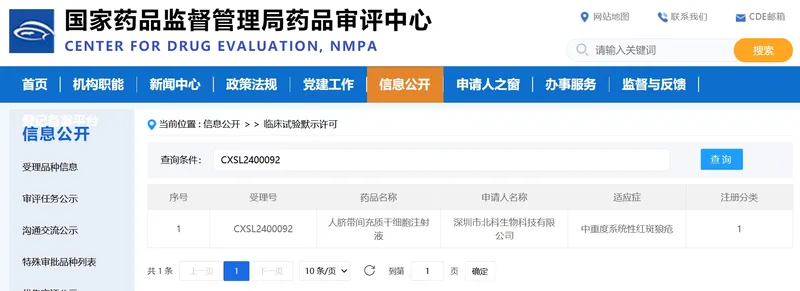
The paper notes that the cell production and quality control in the study were all completed in Beike Biotech's GMP-compliant facilities. The study used innovative manufacturing processes, and after detailed process exploration, produced batch-stable cell preparations whose safety and efficacy testing met quality standards — marking that Beike Biotech's cell preparation capabilities have reached an industry-leading level. Recently, Beike Biotech successfully developed China's first stem cell new drug for systemic lupus erythematosus, which has been approved for clinical trials, further demonstrating that Beike's cell production process and quality have reached pharmaceutical standards.
The strength of an enterprise's research team is an important measure of its R&D capabilities and reflects the company's investment in and commitment to research. Only enterprises that invest substantial time, energy, and money in R&D, drive the translation of technological achievements, tackle "bottleneck" problems, and master key core technologies are truly industry leaders that take innovation as their development engine.
Beike Biotech, with 18 years of deep engagement in the cell field, has consistently treated R&D innovation as the core driver of its development. This latest research highlights its outstanding capabilities in cell preparation and testing. The Preparation Center team's strengths in process development, scale-up, and comprehensive quality research have been widely praised by authoritative journals in the stem cell field. Beike Biotech upholds a customer-centric service philosophy and continues to make new progress in process improvement, quality control, and adherence to GMP standards, ensuring that the cell products it produces are both safe and high-quality. In the future, Beike Biotech will continue to uphold the vision of "advancing the clinical translation of biotechnology and making tireless efforts to improve human health", contributing more strength to the development of the cell industry.