R&D Platform

Research capabilities spanning immunotherapy, organoids, pluripotent stem cells, mesenchymal stromal cells, metabolomics, biomaterials and extracellular vesicles.

Research platforms

Seven R&D platforms

Platform descriptions summarise Beike's research work. Research activity does not establish safety, efficacy, regulatory approval or commercial availability.

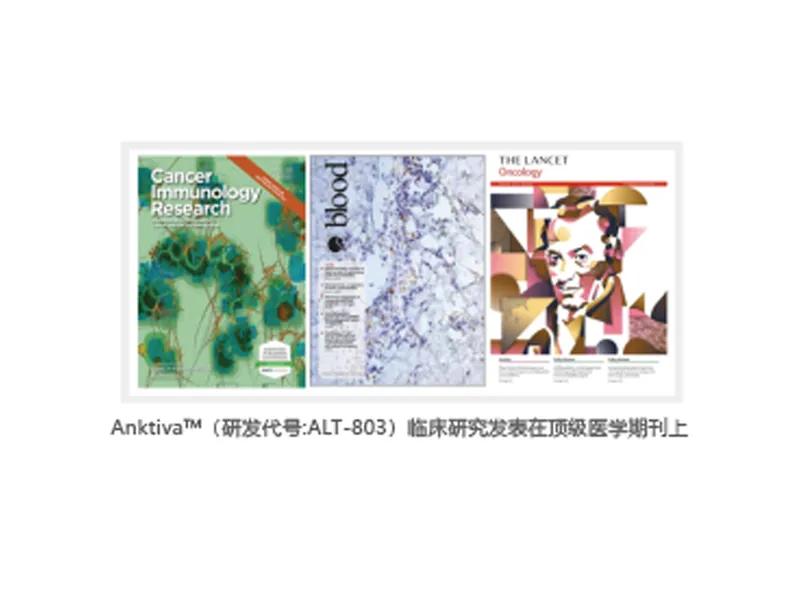
Anktiva™ Cancer Therapy Platform — research figure
Platform 01

Anktiva™ Cancer Therapy Platform

  • IL-15 superagonist research
  • Immune-oncology programme

Anktiva™ (formerly identified in research as ALT-803) is an interleukin-15 superagonist developed by Altor BioScience. Beike has described a collaboration concerning development in China. Current indications, rights, trial status and regulatory status must be confirmed from the responsible sponsor and regulator before reliance.

Organoid R&D Platform — research figure
Platform 02

Organoid R&D Platform

  • Three-dimensional tissue models
  • Disease modelling
  • Drug-sensitivity research
  • Translational research

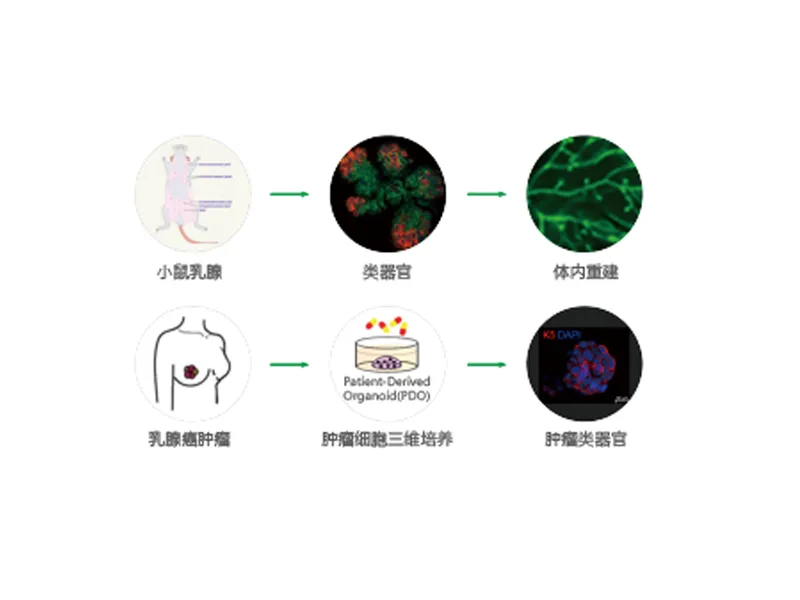
Organoids are three-dimensional, stem-cell-derived in-vitro models used in basic and applied research, including disease modelling and drug-sensitivity studies. Beike reports work with mouse and human mammary organoids and a breast-cancer tumour-organoid library across multiple subtypes.

Earlier company material identified 2024 as a translation target; this is retained as historical context, not a current status claim.

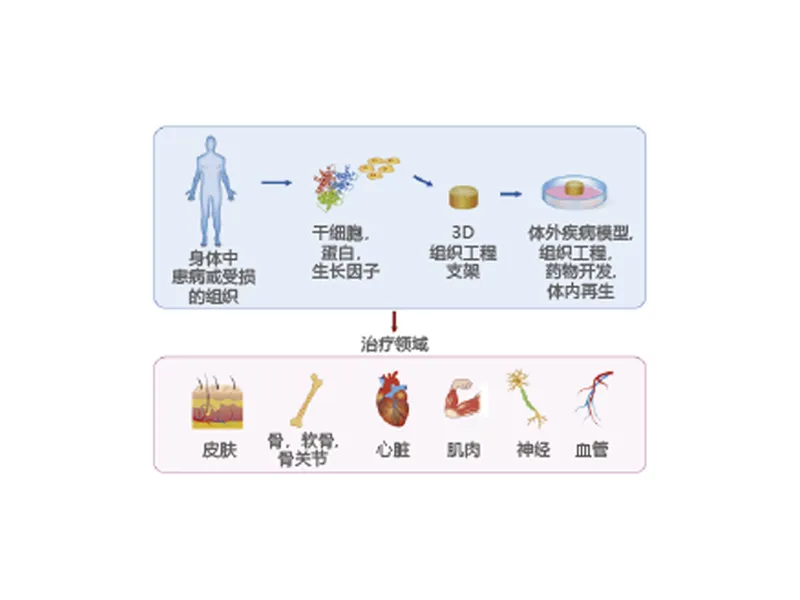
Human Pluripotent Stem Cell Platform (Transdifferentiation) — research figure
Platform 03

Human Pluripotent Stem Cell Platform (Transdifferentiation)

  • Directed differentiation & transdifferentiation
  • Functional-cell research
  • Disease-model development

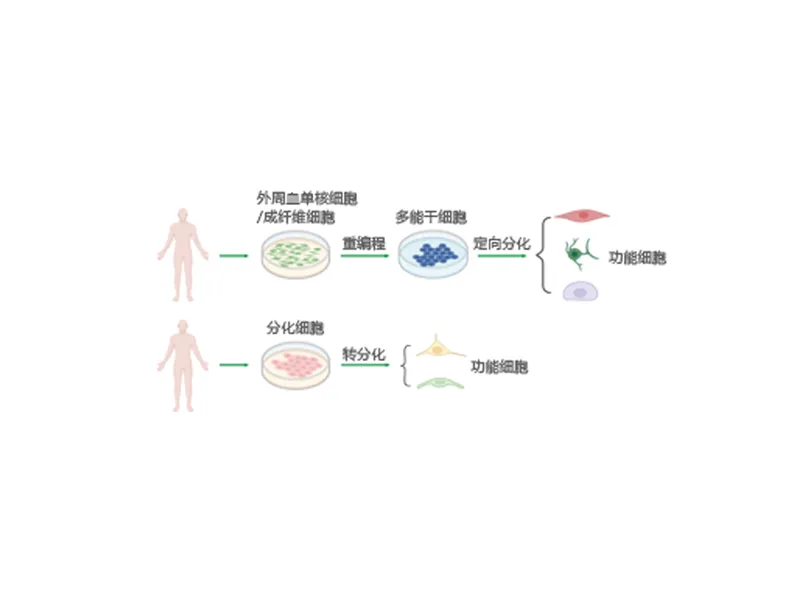
This platform investigates directed differentiation and transdifferentiation to generate functional cell types for research. Beike reports work on induced pluripotent stem cells (iPSCs) derived from peripheral blood and fibroblasts, including technical routes for generating pancreatic β-like cells, neurons and other functional cell types. These activities are research programmes, not statements of approved treatment availability.

Earlier company material identified 2026 as an initial translation target. Current progress has not been independently verified for this page.

Empowering Mesenchymal Stem Cell Platform — research figure
Platform 04

Empowering Mesenchymal Stem Cell Platform

  • MSC culture research
  • Functional modification
  • Preclinical evaluation

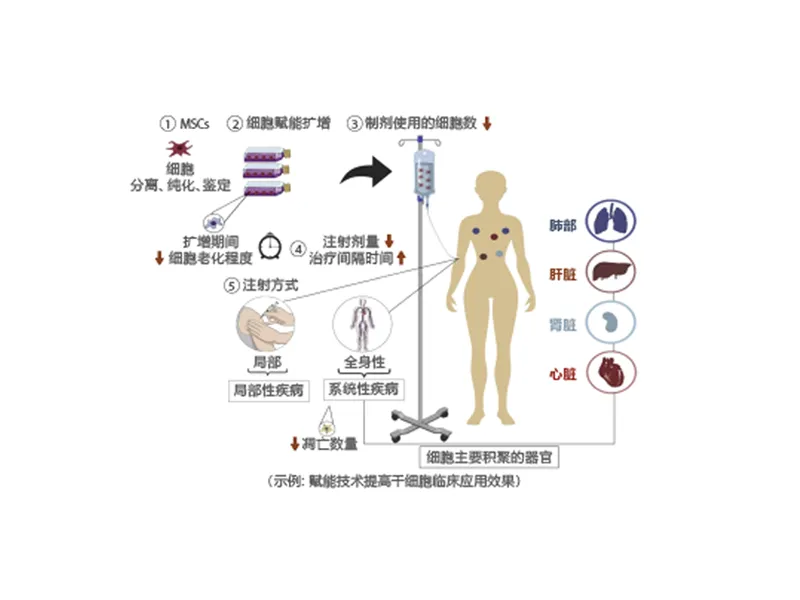
Beike's first-generation mesenchymal stem cell technology — “Key Technology Innovation and Clinical Application Research of Allogeneic Mesenchymal Stem Cells for the Treatment of Refractory Systemic Lupus Erythematosus” — won the National Technological Invention Award (second prize) in 2019. The second-generation technology uses the empowered MSC platform to complete preclinical research on systemic lupus erythematosus (SLE) and knee osteoarthritis (KOA).

Earlier company material identified 2024 as a translation target; current clinical or regulatory status should be verified separately.

Metabolomics R&D Platform — research figure
Platform 05

Metabolomics R&D Platform

  • Metabolite profiling
  • Biomarker research
  • Drug-target research
  • Cohort analysis

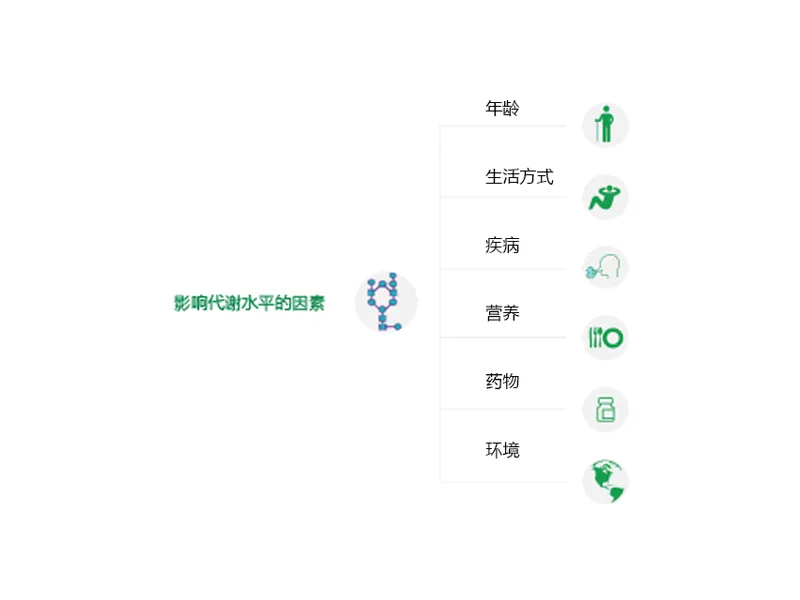
Metabolomics examines how metabolite patterns relate to biology, lifestyle and environment. Beike reports that 2,490 participants completed the first phase of its Multi-Disease Diagnosis (MDTarg) research programme from 2018 to 2020, with plasma and urine samples analysed across cancer, healthy-control and disease-control groups. Candidate biomarkers require further validation before diagnostic use.

Biomaterials Platform — research figure
Platform 06

Biomaterials Platform

  • Cell-support materials
  • Microenvironment modelling
  • Tissue-engineering research

This platform studies materials that provide structural support for cells and model aspects of tissue microenvironments. Work includes evaluating carrier materials for cell and extracellular-vesicle research. Suitability, performance and regulatory classification depend on the specific material and intended use.

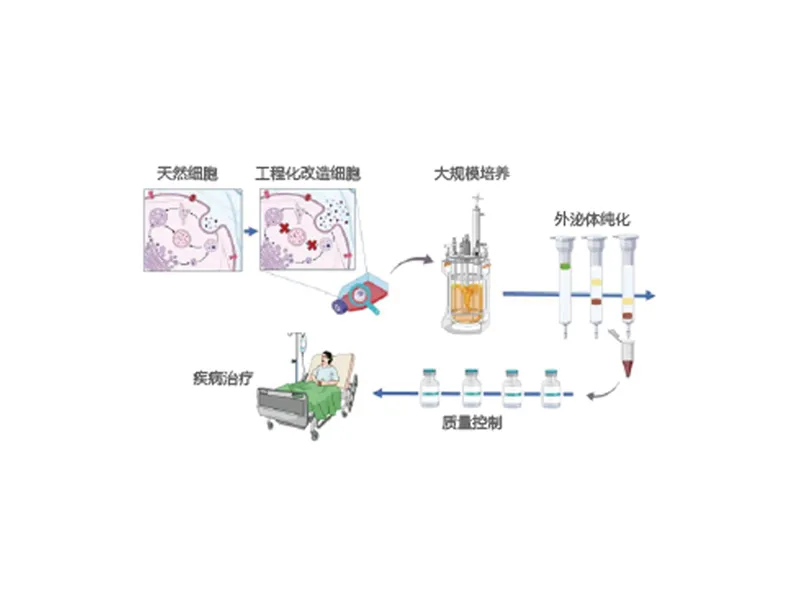
Large-Scale Exosome Production & Purification Platform — research figure
Platform 07

Large-Scale Exosome Production & Purification Platform

  • Production-process research
  • Purification development
  • Cargo-delivery research
  • Preclinical evaluation

This platform investigates scalable production and purification of extracellular vesicles, together with cargo-delivery and engineering approaches. Beike has described planned preclinical work in skin, respiratory and neurodegenerative disease models. These descriptions do not establish a therapeutic product or clinical availability.

Research output
7 In-house R&D platforms
7 Platform areas described
207 Patent applications reported in Jan 2024
100+ Papers reported in Jan 2024
Expert team

Scientists and advisors behind the platforms.

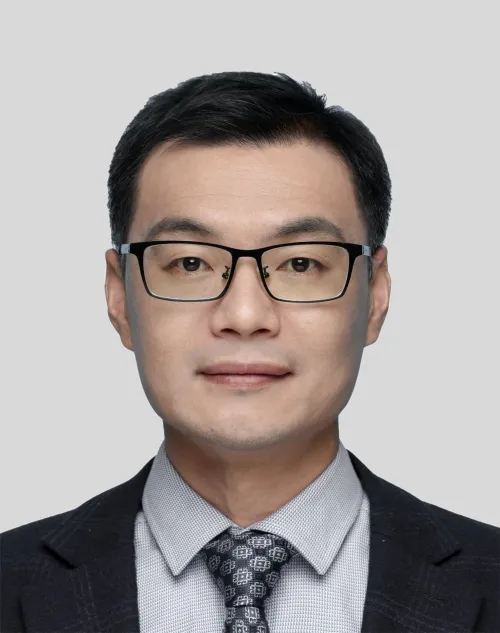
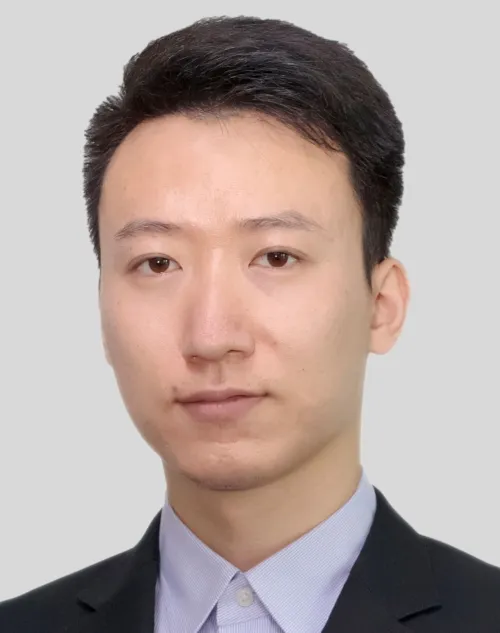
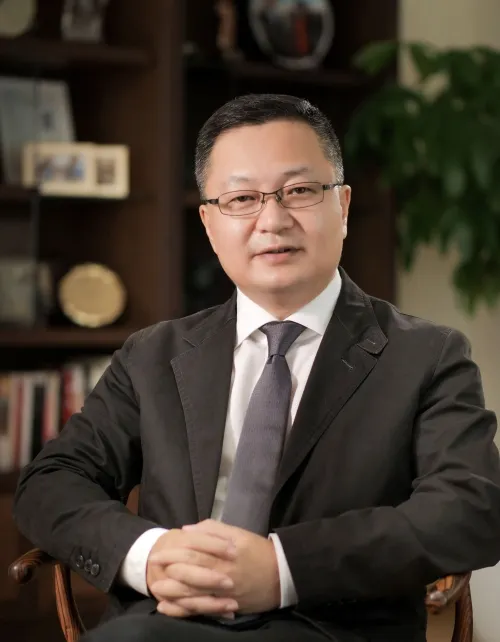
Hu Junyuan

Hu Junyuan

Chairman, Beike Biotechnology · Dean, Clinical Translational Research Institute

PhD in Biochemistry and Molecular Biology (University of Gothenburg, Sweden, and Chalmers University of Technology); postdoctoral fellow at the University of British Columbia, Canada. International Advisory Committee Member at UNICEF; Vice Chairman of the China National Stem Cell and Regenerative Medicine Industry Technology Innovation Strategic Alliance; winner of the Second Prize of the National Technological Invention Award (2019); Visiting Professor in the Department of Surgery, The Chinese University of Hong Kong. Named among the Shenzhen business leaders who influenced China in the 40th anniversary of reform and opening up.

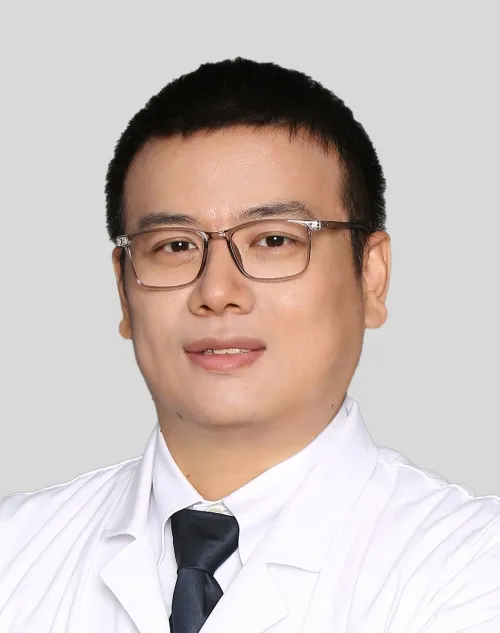
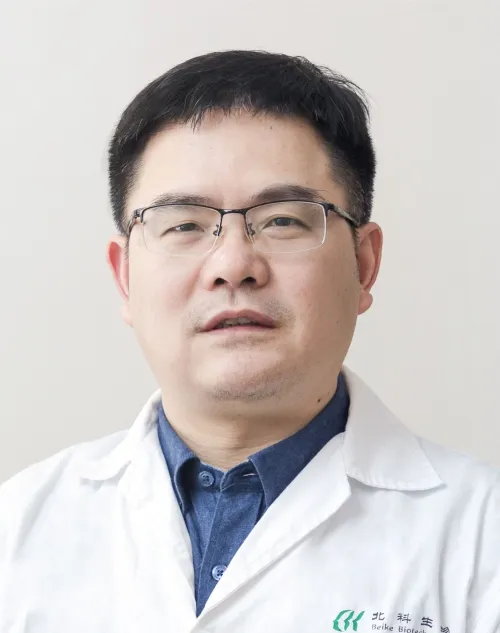
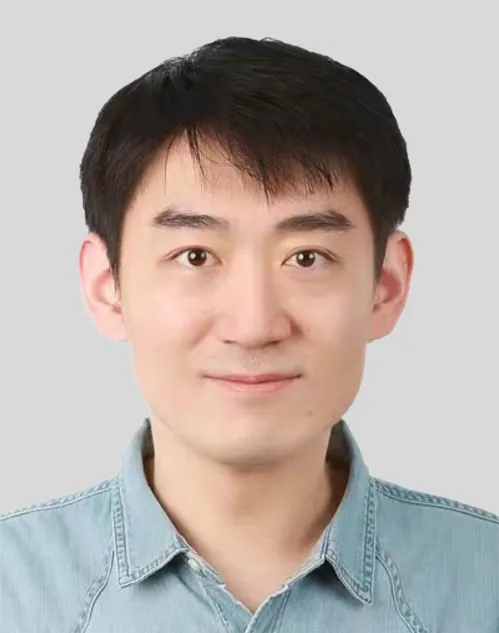
Lothar Willmitzer

Lothar Willmitzer

Member, European Academy of Sciences & German Academy of Sciences · Founder and CSO, Pulse Map

PhD from the Center for Biotechnology Research, Technical University of Braunschweig (1977). Founding Director of the Institute of Plant Molecular Physiology at the Max Planck Institute in Potsdam, Germany, and Professor at the University of Potsdam. One of the pioneering scientists in metabolomics, with international standing in plant physiology and plant biotechnology. Has published more than 300 papers and academic works — including in Nature, Science, Cell and the New England Journal of Medicine — and applied for nearly 50 patents.

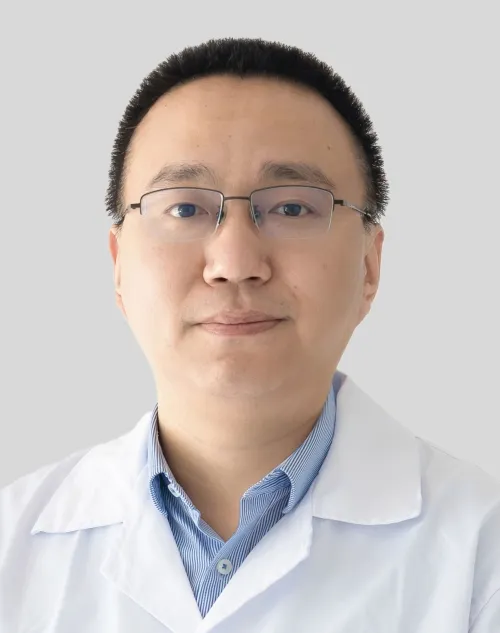
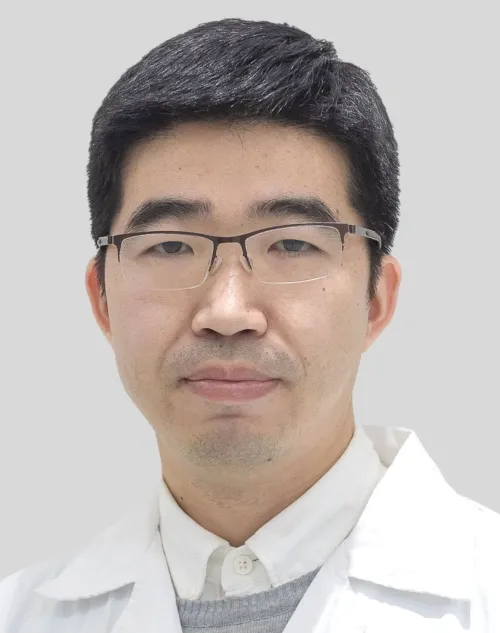
Yu Yang

Yu Yang

Researcher & Doctoral Supervisor, Peking University Third Hospital

PhD; leader of the Assisted Reproductive Engineering Research Group at Peking University Third Hospital and deputy director of its Clinical Stem Cell Research Center. Winner of the National Natural Science Foundation of China Outstanding Youth Fund. Has published 97 SCI papers in related fields — 63 as first or corresponding author, including in Cell, Cell Research, Nature Communications and PNAS — with research results selected as cover stories in Cell Stem Cell Reports (2020).

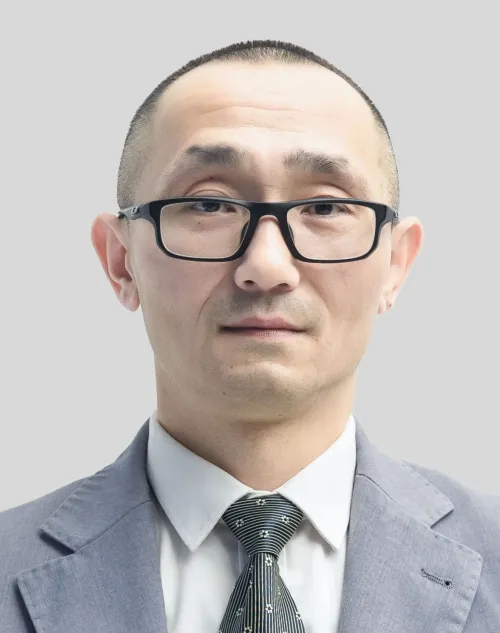
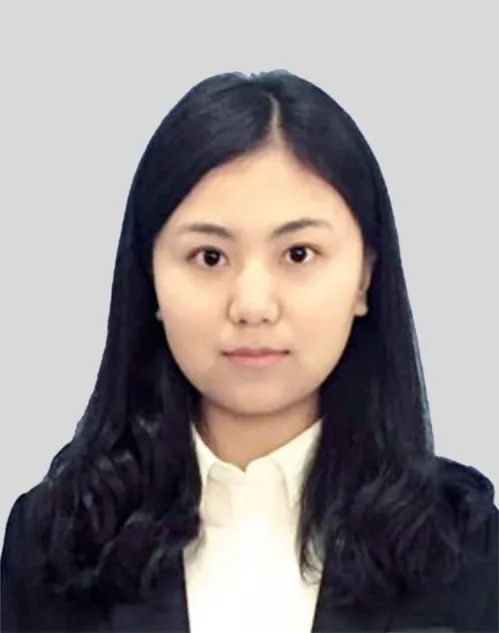
Jiang Wei

Jiang Wei

Professor & Doctoral Supervisor, Wuhan University Medical Research Institute

PhD in Cell Biology from the School of Life Sciences, Peking University; postdoctoral fellow at the Howard Hughes Medical Institute and the University of North Carolina at Chapel Hill. Research focuses on stem-cell differentiation, epigenetic regulation, long non-coding RNA, disease models and diabetes. Has published more than 30 international papers (cited 2,000+ times), including as corresponding author in Nature Communications, Nucleic Acids Research, Cell Reports and Stem Cell Reports.

Wang Zhihua

Wang Zhihua

Researcher & Doctoral Supervisor, Fuwai Hospital, Chinese Academy of Medical Sciences

Winner of the National Natural Science Foundation of China Outstanding Youth Fund. Research focuses on pathological myocardial hypertrophy and cardiac ageing across epigenetics, gene transcription, protein translation and metabolic networks. Has been granted 5 national invention patents and published 40 research papers in journals including Nature Medicine, Circulation, Circulation Research and Hypertension.

Cai Cheguo

Cai Cheguo

Vice President & Chief Scientist, Beike Biotechnology · Professor, USTC Hangzhou Institute for Advanced Studies

Earned his bachelor's, master's and doctoral degrees from Xiamen University and the Chinese Academy of Sciences, with postdoctoral training at Tulane University School of Medicine and the Shanghai Institute of Biochemistry and Cell Biology. Research focuses on adult stem cells and organ development, with publications in Nature, Genes & Development, eLife, Cell Research and npj Regenerative Medicine. A national leading talent in Shenzhen and member of the International Society for Stem Cell Research.

Liang Xiao

Liang Xiao

Vice President, Beike Biotechnology · Senior Engineer, Cell Preparation

Research team

Wang Jinsong
Wang Jinsong Doctor of Medicine, Guangzhou Medical University
Li Yan
Li Yan PhD in Biochemistry, Max Planck Institute of Molecular Plant Physiology, Germany
Liao Yan
Liao Yan PhD & Postdoctoral Fellow, Basic Medicine (Stem Cells & Tissue Engineering), Sun Yat-sen University
Gao Yunfeng
Gao Yunfeng PhD, School of Food Science and Biotechnology, Tianjin University of Science and Technology
Dai Yonghui
Dai Yonghui PhD in Cell Biology, Southern Medical University
Zhang Mengna
Zhang Mengna PhD, Wuhan University; Postdoctoral Fellow, USTC Hangzhou Institute for Advanced Studies
Ding Mina
Ding Mina PhD in Biomedical Sciences, Chonnam National University, South Korea
Liu Chuntao
Liu Chuntao PhD in Biomedical Engineering, Sun Yat-sen University
Zheng Ran
Zheng Ran PhD in Biology, Medical Research Institute, Wuhan University
Wu Bingyan
Wu Bingyan PhD in Cell Biology, Guangzhou Institutes of Biomedicine and Health, CAS
Clinical collaboration

Translating research with partner hospitals.

Beike has reported research collaborations with medical institutions in China. The tables below describe company-reported projects and should not be read as a current trial registry, recruitment notice or regulatory-status record.

Mesenchymal stem cell clinical research projects

StudyParticipating hospital(s)
Randomised, parallel, controlled study on the safety and efficacy of umbilical-cord MSCs for type-2 diabetes via different transplantation routes
  • Peking University Shenzhen Hospital
Safety and effectiveness of umbilical-cord MSCs combined with modern rehabilitation for cerebral palsy in children
  • Shiyan Taihe Hospital
Randomised, blinded, parallel-controlled multicentre study of umbilical-cord MSCs for lupus nephritis
  • Nanjing Drum Tower Hospital
  • Jiangsu Provincial People's Hospital
  • Fudan Zhongshan Hospital
  • Shanghai Huashan Hospital
  • Shanghai Renji Hospital
  • First Affiliated Hospital of Baotou Medical College
  • Affiliated Hospital of Nantong University
Umbilical-cord MSCs for moderate-to-severe refractory systemic lupus erythematosus
  • Anhui Provincial Hospital
Intra-articular injection of human umbilical-cord MSCs for knee osteoarthritis
  • Beijing Hospital

COVID-19 clinical research projects

StudyParticipating hospital(s)
Human umbilical-cord MSCs for severe pneumonia caused by coronavirus
  • Shenzhen Third People's Hospital
Mesenchymal stem cells for severe coronavirus pneumonia
  • Dept. of Emergency Medicine, First Affiliated Hospital of Kunming Medical University