Recently, the human umbilical cord mesenchymal stem cell intra-articular injection project for the treatment of knee osteoarthritis, jointly carried out by Shenzhen Beike Biotechnology Co., Ltd. and Beijing Hospital, has, after filing review, been successfully filed as a stem cell clinical research project — Beike Biotech successfully assisted Beijing Hospital in completing the filing.
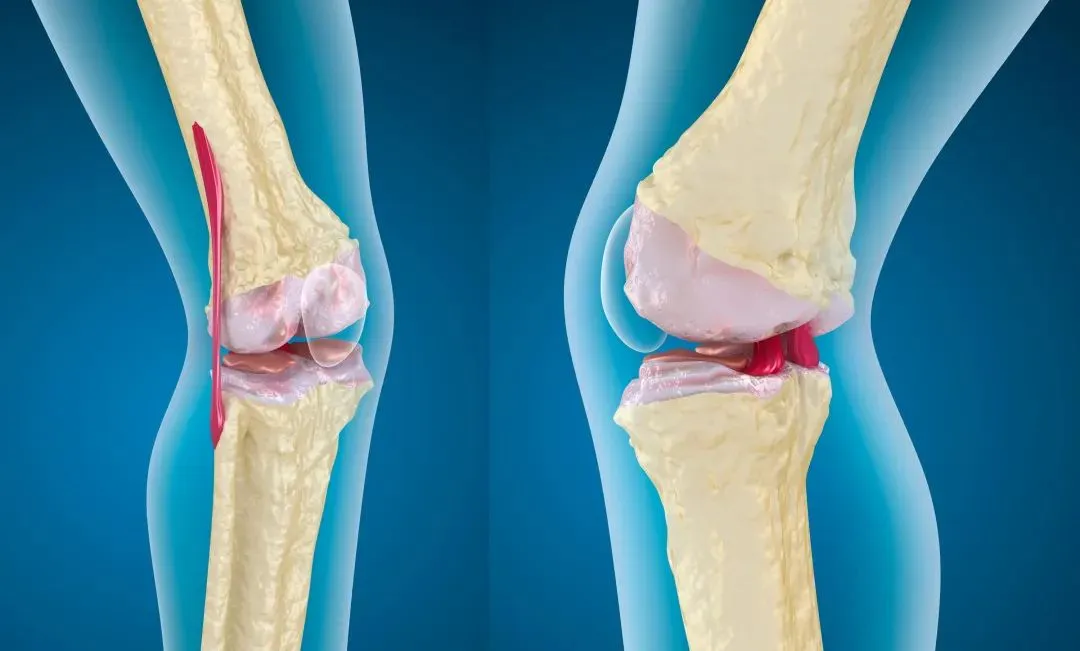
Osteoarthritis (OA) refers to a degenerative disease in which fibrosis, fissures, ulcers, and loss of articular cartilage caused by various factors lead to joint pain as the main symptom. Clinical manifestations include joint pain and tenderness, restricted joint mobility, joint deformity, bone crepitus, and muscle atrophy[1].
According to relevant statistics, more than 240 million people worldwide suffer from arthritis, and it is estimated that by 2032, about 30% of those over 45 will have OA. OA treatment includes early non-surgical management and later joint replacement; effective means for preventing the onset and/or halting the progression of OA are still lacking[2].
With the continued development of regenerative medicine, more and more research suggests that the key to treating OA is to halt the immune-inflammatory processes in cartilage and synovial tissue and to prevent excessive apoptosis of chondrocytes, while promoting cartilage progenitor cell regeneration and the repair of damaged cartilage[3]. Mesenchymal stem cell (MSC)-based therapy, with its strong self-renewal and regenerative capacity, offers an innovative and effective therapeutic strategy for the prevention, treatment, and cartilage regeneration in OA[4]. Studies show that MSCs can mitigate joint degeneration in OA by secreting various factors and exerting immunomodulatory and anti-inflammatory properties; meanwhile, MSCs cultured under specific conditions can differentiate into bone and cartilage, promoting bone and cartilage regeneration and suppressing inflammation, which brings new hope to OA treatment[5].
Mechanisms of MSC therapy in OA[6]:
1. Paracrine action: Studies show that the main mechanism by which MSCs participate in tissue repair is paracrine activity, producing a variety of trophic factors with diverse properties that reduce tissue damage, enhance tissue repair, counter premature senescence of OA chondrocytes induced by inflammatory stress, and exert a protective effect on degenerative joints;
2. Reduction of inflammatory factor levels and chemokine concentrations. Some studies have found that after umbilical cord mesenchymal stem cell therapy, serum inflammatory factor levels decreased significantly compared with pretreatment, confirming the protective effect of UC-MSCs on OA cartilage and synovium, which is associated with the suppression of inflammatory responses;
3. Homing regulation: MSCs preferentially gather at sites of tissue injury and inflammation. In treating OA, MSCs can be targeted to damaged articular cartilage, suppressing immune-mediated cartilage destruction and promoting cartilage repair through chondrogenic differentiation and paracrine stimulation of intrinsic residual repair.
Project title: Evaluation of the Efficacy of Human Umbilical Cord Mesenchymal Stem Cell Intra-Articular Injection in the Treatment of Knee Osteoarthritis
Partner hospital: Beijing Hospital
Project content: Through human umbilical cord mesenchymal stem cell intra-articular injection therapy, the study evaluates the correlation between routine observational indicators — such as knee joint symptoms, knee joint function, and MRI sequence signal changes. In addition, on the basis of conventional MRI, magnetic resonance UTE technology is innovatively employed to evaluate articular cartilage repair from the perspectives of the morphology of repaired cartilage and quantitative cartilage matrix proteins. The study aims, through human umbilical cord mesenchymal stem cell intra-articular injection therapy, to provide objective indicators for assessing cartilage repair clinically, on the basis of improving knee joint pain symptoms and increasing knee joint mobility.
To date, Beike Biotech has established close cooperative relationships with the Affiliated Drum Tower Hospital of Nanjing University Medical School, Taihe Hospital in Shiyan, Jiangsu Province Hospital, the First Affiliated Hospital of Guangzhou University of Chinese Medicine, Peking University Shenzhen Hospital, Shenzhen People's Hospital, the First Affiliated Hospital of the University of Science and Technology of China (Anhui Provincial Hospital), and Beijing Hospital, among others, and has helped multiple hospitals successfully obtain filing as stem cell clinical research institutions, while also supporting multiple clinical research projects in being filed as stem cell clinical research projects, covering lupus nephritis, pediatric cerebral palsy, type 2 diabetes, moderate-to-severe refractory systemic lupus erythematosus, and osteoarthritis, among other conditions.
Going forward, Beike Biotech will continue to focus on key scientific issues and frontier technologies in stem cells and regenerative medicine, continuously enhancing its R&D capabilities and pace of innovation, accelerating the translation and clinical application of related technology products in the cell field, advancing the continued development of China's cell industry, and making tireless efforts to improve human health.
References: