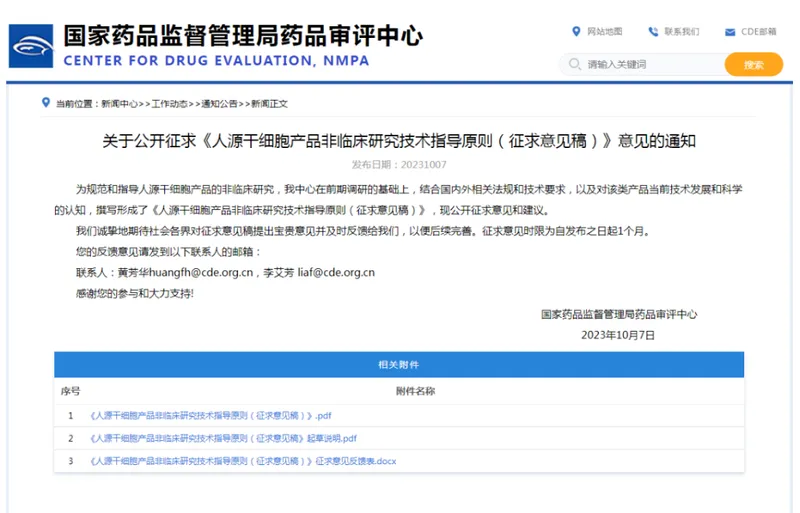
Another stem cell clinical research project has been filed with the National Health Commission
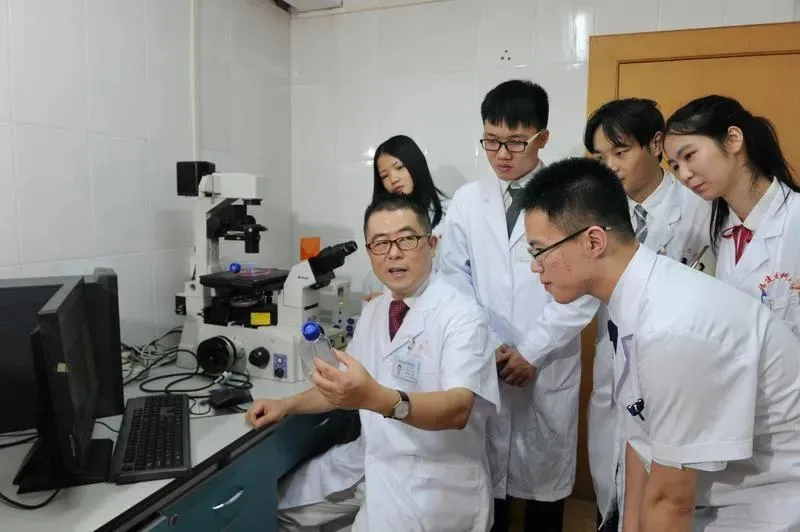
Recently, the project "Randomized Controlled Clinical Study of Human Umbilical Cord Mesenchymal Stem Cells in Treating Donor-Site Wounds in Patients Receiving Split-Thickness Skin Grafts", submitted by Professor Chen Xiaosong's team in the Department of Plastic Surgery at Fujian Medical University Union Hospital, passed two rounds of expert review organized by the National Health Commission and was successfully filed, becoming the first stem cell clinical research project approved in China's plastic and aesthetic surgery specialty.
Skin grafting is a common method used in plastic surgery and other specialties to repair various skin defect wounds caused by tumor excision, trauma, or scar release. Patients undergoing traditional skin grafts often experience numerous complications during recovery, and the donor site is prone to scar hyperplasia after healing, lacking skin appendages and differing significantly from normal skin tissue in structure and physiological function. These shortcomings not only affect the patient's appearance but also cause noticeable itching, stinging, and even repeated infections and ulceration in the surgical area. There is an urgent clinical need for new methods to improve the healing quality and speed of donor sites in patients receiving split-thickness skin grafts and to reduce subsequent scar formation.
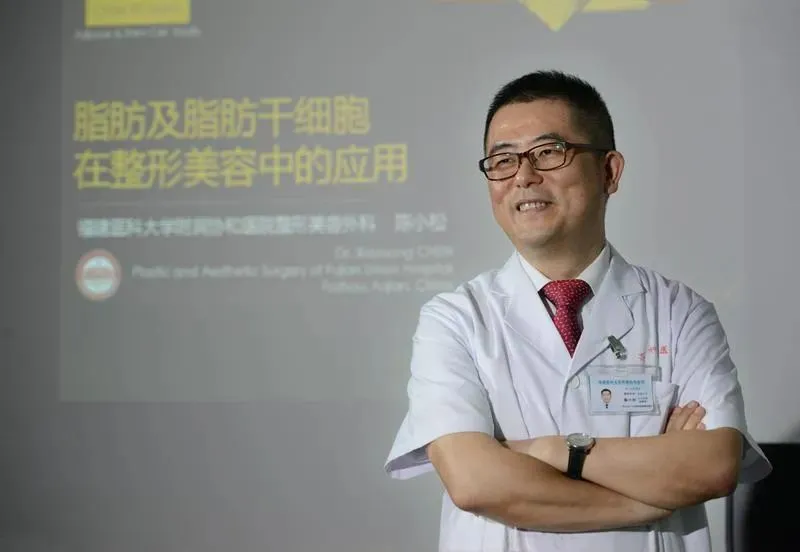
Building on solid prior basic and preclinical research, this project uses human umbilical cord mesenchymal stem cells (UCMSC) — which are abundant in source, easy to collect, readily expandable, harmless to donors, free of ethical controversy, possess potential for industrialization and standardized clinical treatment, and have excellent biological properties — to repair donor-site wounds. The aim is to improve the healing quality of donor sites in patients receiving split-thickness skin grafts, suppress subsequent scar hyperplasia, alleviate patient suffering, accelerate recovery, and improve quality of life.
Today, regenerative medicine centered on stem cell technology is not only a vibrant and highly promising research frontier, but also a rapidly growing emerging discipline and industry of enormous scale. Cell therapy is expected to become the third major therapeutic modality after surgery and pharmaceutical treatment, leading a major transformation of traditional treatment paradigms, and has become an important chapter in the "Healthy China 2030" Planning Outline.