Author: Shenzhen Economic Daily Chief Reporter Wang Hairong
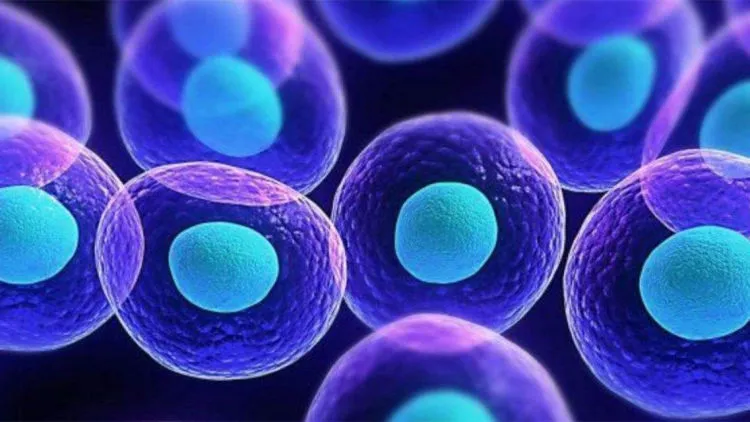
40–60 trillion: this is the number of cells in the human body. As the basic units that make up human tissue structure and carry out various physiological functions, stem cells — possessing multilineage differentiation potential and self-replicating ability — are immensely powerful and a focus of life-sciences research today, with all kinds of innovative technologies emerging one after another. Drawing on the country's enormous market scale, stem cell storage and stem cell therapy have also become important new directions for Shenzhen to nurture new consumption in the life and health field.
01"Searching for the frontier of stem cell technology in Shenzhen, China"Founded sixteen years ago, Shenzhen Beike Biotechnology Co., Ltd. is an innovative company dedicated to basic stem cell research and clinical translational research, working to bring stem cell therapies from the lab to the clinic.
In its first five years, Beike Biotech, through proprietary innovation in stem cell technology and a decentralized model of personalized cell therapy, partnered with various medical institutions to rapidly translate research findings into new methods for clinical medical services, while also feeding clinical practice information back to basic researchers in real time, pioneering the prototype of China's cell therapy industry translation.
"To find the frontier of stem cell technology, look not to Cambridge, not to Stanford, not to Singapore, but to Shenzhen, China," the world-renowned U.S. magazine BusinessWeek once reported. On March 9, 2008, in The Times' "Ten Chinese Companies Challenging the West", Beike Biotech's stem cell technology and its applications were specifically mentioned right after Huawei.
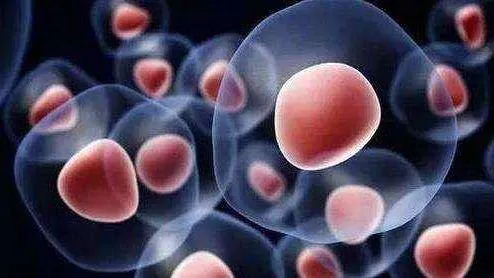
Founder Hu Junyuan said that biotechnology is one of the most potent and dynamic technologies of our time. Life sciences and biotechnology, with stem cells and gene sequencing at their core, have made major breakthroughs in recent years. Among them, stem cells — known as the "universal cells" — can, under certain conditions, be induced to differentiate into more than 220 functional cell types that make up the human body, including neural cells, hepatocytes, and cardiomyocytes, and can repair damaged tissues and organs to achieve therapeutic effects.
"Precision and personalized cell therapy will play an important role in future clinical medicine. New cell therapy technologies, with stem cells and immune cell therapy at their core, will provide more options for treating refractory diseases," Hu Junyuan said.
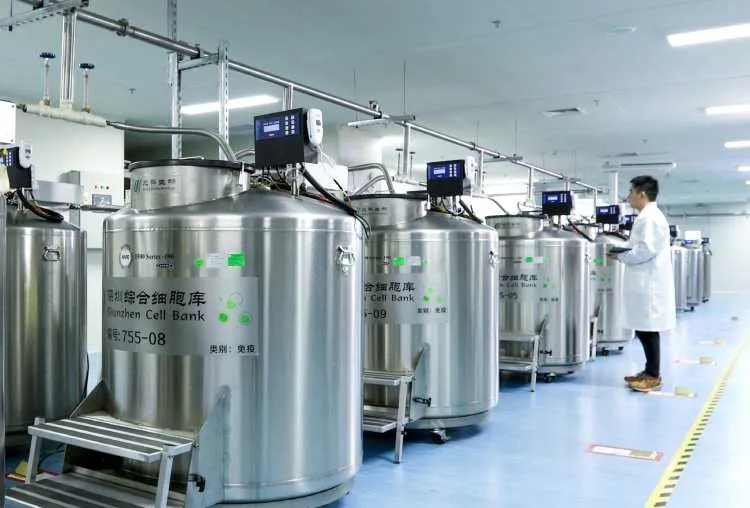
02Construction of the "cell therapy highway network" acceleratesIn September 2015, the Shenzhen Comprehensive Cell Bank and the Shenzhen (Beike) Regional Cell Preparation Center, built and managed by Beike, were officially inaugurated. They are key supporting structures and innovation carriers for Shenzhen's "innovation chain + industry chain" layout for personalized cell therapy.
According to the design, the industrial development model of "Comprehensive Cell Bank + Regional Cell Preparation Center + Cell Quality Testing Platform" is built on Comprehensive Cell Banks and Regional Cell Preparation Centers compliant with the Biosecurity Law of the People's Republic of China, and uses "Internet plus" as a means to lay down a "cell therapy highway network" that connects clinical demand and advanced technology supply, meeting the timeliness of clinical needs while enabling production at scale, and shifting the cell therapy industry from an "in-hospital preparation" model to a standardized cell storage and preparation model that meets international standards and trends.
After six years of layout, Beike Biotech's "cell therapy highway network", built on the "one bank, one center, one platform" framework, has begun to take shape, with operations across South China, East China, Central China, North China, Southwest China, and Northwest China, providing innovative public technology platforms and infrastructure for the clinical translation of cell therapy technologies.
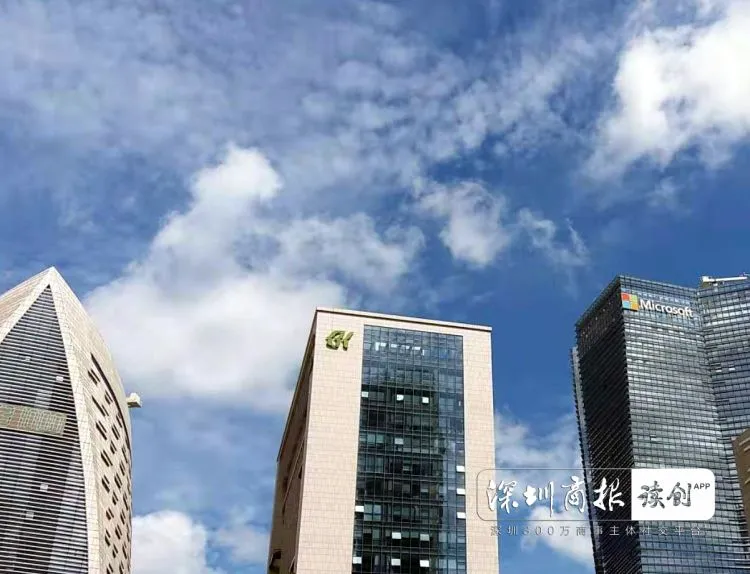
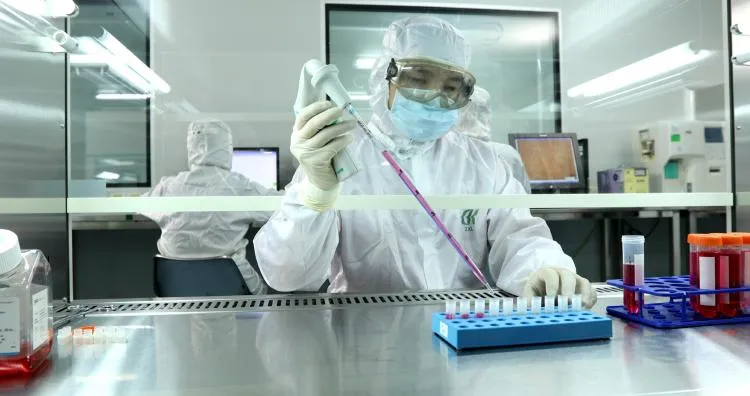
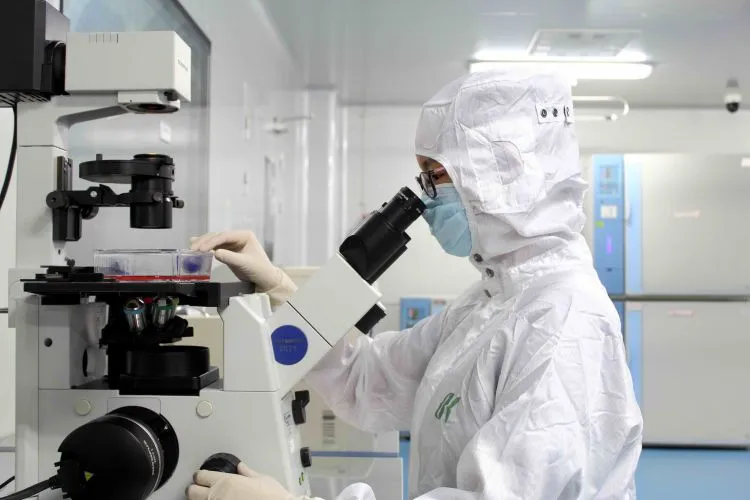
03"Growing" cells like growing riceOn January 13, in the cell preparation center on the 19th floor of Beike Tower in the Yuehai Subdistrict of Nanshan District, Shenzhen, technicians in cleanroom protective suits were preparing cells. Take mesenchymal stem cells: technicians use specific methods to isolate and extract mesenchymal stem cells from human tissues such as adipose tissue, umbilical cord, deciduous tooth tissue, and decidua of placenta. They simulate sterile conditions similar to the in vivo environment in temperature, pH, and osmotic pressure to expand the cells in vitro, allowing them to survive, grow, proliferate, and maintain their main structure and function. After testing and qualification, the cells are then cryopreserved long-term in liquid nitrogen tanks at minus 196 °C.
Technicians told the reporter that the culture cycle for mesenchymal stem cells is about 2 to 3 weeks. Take umbilical cord mesenchymal stem cells: each technician can process more than ten samples a day, and different operations are performed on different cell samples according to schedule. "Before cryopreservation, cells need operations such as medium changes and passaging. The culture process is like growing rice — first sow the seeds, then water, fertilize, and till the soil, and finally harvest." It is reported that one culture flask has an area of about 175 square centimeters and can yield more than 10 million cells.
In clinical research on endocrine system diseases, a single treatment for a 50-kg patient requires the infusion of 50 million cells. This dose is the effective dose derived from preclinical research and clinical exploration. After in vitro-cultured mesenchymal stem cells are infused into the human body, they exert their effects through tissue repair and immune regulation. The infused cells will grow and expand in vivo, but at the same time will be recognized by the human immune system and ultimately metabolized.
04Standardization safeguards the industryInternationally renowned consultancy Technavio's report Global Cell Therapy Market 2017–2021 indicates that during 2017 to 2021, the global cell therapy market is expected to grow at a CAGR of 23.27%. With the growing demand for cell resource preservation and R&D, establishing third-party-certified or accredited platforms for the preservation and information services of various human cell resources, developing key common technologies such as cell freezing/thawing and quality control, and promoting the formulation of standards for cell-resource and cell-data collection and storage technologies — thereby forming a traceable, standardized, and information-based management system — are important prerequisites and safeguards for advancing cell therapy technologies.
To give cells legally effective "ID cards", Beike has the safety and efficacy of its cells certified by third-party cell quality testing institutions, providing a reliable safeguard for clinical applications.
In recent years, Beike Biotech has led the drafting of Shenzhen local standards SZDB/Z 188-2016 Specification for the Construction and Management of Cell Preparation Centers and SZDB/Z 266-2017 Specification for the Setup and Management of Comprehensive Cell Banks; participated in the formulation of Self-Discipline Specification for Quality Management of Stem Cell Preparation Production, Self-Discipline Specification for Quality Management of Immune Cell Preparation Production, and the group standard SZTT/SSCT 002-2018 Specification for Human Umbilical Cord-Derived Mesenchymal Stem Cell Preparations for Clinical Research; and developed the enterprise standard Q/BKSW 001-2018 Umbilical Cord-Derived Mesenchymal Stem Cells for Research Use. In 2020, Beike Biotech led the drafting of the Hebei provincial standards Specification for the Construction and Management of Cell Preparation Centers and Specification for the Construction and Management of Comprehensive Cell Banks, and led the drafting of the Shenzhen local standards Specification for the Transportation of Human Live Samples — Technology and Management and Specification for the Transportation of Human Cell Products — Technology and Management.As of November 2020, Beike Biotech had filed 108 patent applications in the cell technology field, 56 of which had been granted, with standardization continuing to develop in greater depth.
05On the eve of an explosion in technology applicationsToday, as molecular biology represented by genetic science enters its prime, Beike Biotech, as a high-tech company built on technology, continues to make strides in basic and clinical cell research and key technology breakthroughs, advancing technology applications in greater depth.
At the 2019 National Science and Technology Awards Conference held on January 10, 2020, the project "Key Technology Innovation and Clinical Application Research of Allogeneic Mesenchymal Stem Cells in the Treatment of Refractory Lupus Erythematosus", jointly completed by the Department of Rheumatology and Immunology at the Affiliated Drum Tower Hospital of Nanjing University Medical School together with Beike Biotech, Jiangsu University, and others, was awarded the National Technology Invention Award (Second Prize). The research team was the first to apply allogeneic mesenchymal stem cells in the treatment of refractory systemic lupus erythematosus, opening up a new therapeutic pathway for other refractory autoimmune diseases.
In the face of the sudden COVID-19 pandemic, Beike Biotech also rapidly answered the national call and actively participated in technology research. The "Clinical Study of Human Umbilical Cord Mesenchymal Stem Cells in the Treatment of Coronavirus-Induced Severe Pneumonia", jointly submitted with the Third People's Hospital of Shenzhen, was approved by the Guangdong Provincial Department of Science and Technology under the "Guangdong Emergency Special Project for Scientific and Technological Research on the Prevention and Control of Novel Coronavirus Infection". The "R&D of Mesenchymal Stem Cell Drugs for the Treatment of COVID-19" submitted by Beike Biotech was approved by the Ministry of Science and Technology under the "Science and Technology to Boost the Economy 2020" key special project.
At the same time, the clinical research on mesenchymal stem cell therapy for critically ill COVID-19 patients, jointly carried out by Beike Biotech with multiple medical institutions in Yunnan, has also achieved phased results.
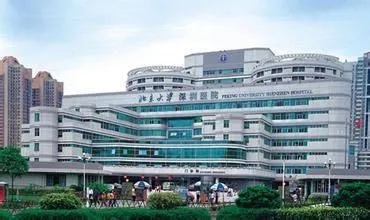
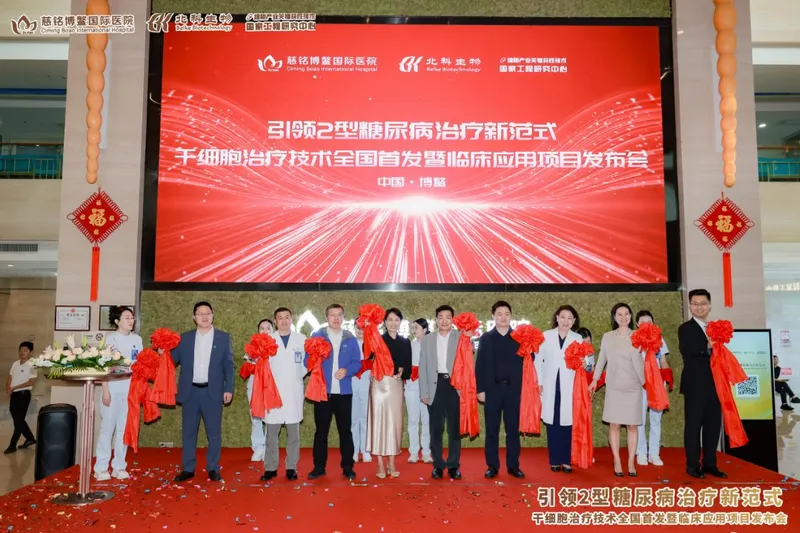
Beike Biotech is currently working with Taihe Hospital Children's Medical Center in Shiyan, Peking University Shenzhen Hospital, and Nanjing Drum Tower Hospital, respectively, on the "Clinical Study on the Safety and Efficacy of Human Umbilical Cord-Derived Mesenchymal Stem Cells Combined with Modern Rehabilitation in the Treatment of Pediatric Cerebral Palsy", the "Clinical Study of Human Umbilical Cord Mesenchymal Stem Cells in the Treatment of Type 2 Diabetes", and the "Randomized Blinded Parallel Controlled Multicenter Clinical Study of Umbilical Cord Mesenchymal Stem Cells in the Treatment of Lupus Nephritis", advancing the application of mesenchymal stem cell therapy.
As of December 2020, the number of stem cell clinical research filing institutions in China had increased to 123, with 100 filed projects. Among them, the Second Affiliated Hospital of Kunming Medical University, Taihe Hospital in Shiyan, Peking University Shenzhen Hospital, Shenzhen People's Hospital, and the First Affiliated Hospital of Guangzhou University of Chinese Medicine — five medical institutions in total — have, in cooperation with Beike Biotech, successfully obtained filing as stem cell clinical research institutions with the National Health Commission, with 10 clinical research projects also filed with the National Health Commission.
It is worth noting that Shenzhen, which is building itself as a Pilot Demonstration Zone of Socialism with Chinese Characteristics, has issued a series of supporting policies for stem cell therapy research.
The Guiding Opinions on Promoting the Clustered Development of the Biopharmaceutical Industry in Shenzhen and supporting documents released last January propose to develop biotherapy technologies such as stem cell therapy, immunotherapy, and gene therapy, and actively promote the translation of research achievements and support the establishment of clinical research and translational application platforms for somatic cell therapy.
On December 4, the Standing Committee of the Shenzhen Municipal People's Congress held a drafting meeting for the Shenzhen Special Economic Zone Regulations on Promoting the Cell and Gene Industry (provisional title) and heard opinions from relevant departments and experts. This signals that Shenzhen will take the lead in legislating on the management of cell and gene therapy.
With a series of favorable policies, Shenzhen's cell industry is poised to open up new development space.
[Further reading]A notice
In June last year, Peking University Shenzhen Hospital released a notice recruiting subjects to participate in clinical research on human umbilical cord mesenchymal stem cell therapy for type 2 diabetes.
The "Randomized, Parallel, Controlled Clinical Study of Safety and Efficacy of Human Umbilical Cord Mesenchymal Stem Cells via Different Transplantation Routes for the Treatment of Type 2 Diabetes", jointly carried out by the hospital and Shenzhen Beike Biotechnology Co., Ltd., has been filed nationally as a stem cell clinical research project. Its main objective is to evaluate the feasibility, safety, and efficacy of human umbilical cord mesenchymal stem cells administered via systemic intravenous infusion, local infusion via the dorsal pancreatic artery, or combined infusion in the treatment of type 2 diabetes patients. The project has received medical ethics approval for implementation.
The recruitment notice lists detailed eligibility conditions, including a confirmed diagnosis of type 2 diabetes; HbA1c levels of 7% ≤ HbA1c ≤ 9.5% at initial screening; HbA1c stabilized at 7% ≤ HbA1c ≤ 9.5% during the screening period; age between 18 and 70 years; and total insulin dose ≤ 100 IU/d and basal C-peptide ≥ 0.3 ng/ml before grouping.
The recruitment notice also lists 21 exclusion criteria, including positivity for glutamic acid decarboxylase antibody (GADA), thiazolidinedione (TZD) treatment within the past three months, and a history of severe drug allergy or allergic constitution. Meeting any one of these criteria precludes participation in the trial.
"Reaching these requirements means that the patients have not done well on conventional treatment, but their physical condition can still support a new therapeutic attempt." Zhang Fan, Chief Physician of the Department of Endocrinology at Peking University Shenzhen Hospital, has been engaged in the clinical treatment of endocrine and metabolic diseases for more than 35 years. When she came to Shenzhen in 1999, the medical foundation of the special zone was still very weak and lagged behind the mature medical systems built up over a century in other cities in China.
"For Shenzhen to make its mark in medicine, our team needed to pursue differentiated development and explore frontier technological innovation." So as soon as she arrived in Shenzhen, she set up a Diabetes Health Club to help patients gain a systematic understanding of the disease. While following the frontier of transplantation in diabetes treatment, she initially worked only on pancreatic transplantation, combined pancreas-kidney transplantation, islet transplantation, and islet cell transplantation. Twenty years ago, she encountered cell therapy. The international leaps in immune cell therapy convinced her that cell therapy would have a major role to play in the treatment of endocrine diseases.
"Sugar friends" hope to end the marathon
Over decades of work, Zhang Fan has met diabetic patients of every kind, also known as "sugar friends". "Can this disease be cured?" is the question they most often ask.
"We have to help patients find appropriate treatment options. This is especially important in the treatment of endocrine diseases." In Zhang Fan's view, no single technology is a one-size-fits-all solution. Finding the right factors, identifying the right people, the right doses, and the right treatment methods, and determining what kinds of patients respond best to what kinds of methods — that is the rational and scientific approach to emerging technologies.
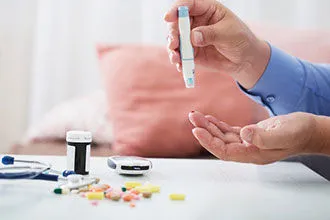
Wang Xing (alias) is a "sugar friend" who has been living with the disease for 16 years. He has to take medication or inject insulin every day. "It is certainly inconvenient. The disease also requires very strict dietary control — high-sugar and high-calorie foods are out, and tobacco and alcohol are best avoided. It is fairly painful for me."
Because he is older, Wang Xing also tends to forget things and often misses doses of his oral medication. "I am also worried that taking medication for years on end will damage my liver and kidney function. Insulin requires self-injection, which is painful, and there is the risk of hypoglycemia."
Fortunately, the treatment of diabetes is covered by health insurance, and Wang Xing's monthly treatment costs are only a few hundred yuan. "The burden is not heavy, and my work unit reimburses some of it."
Wang Xing's work unit conducts an annual physical examination, and his diabetes was caught relatively early. With drug control, he has not yet developed any very serious complications over the past decade or so. But over the past two years, he has noticed that he has lost weight markedly while taking metformin orally. Wounds heal slowly after injuries. His hands and feet now get cold easily. "Diabetes causes poor peripheral circulation, possibly with small-vessel disease." Wang Xing worries about these complications. What weighs on him most is that his wife was also diagnosed with diabetes the year before last. "I am worried she will follow my footsteps and have to take medication for life."
The worries of "sugar friends" further motivate Zhang Fan to accelerate the application of innovative technologies in the search for new approaches to the treatment of metabolic diseases such as diabetes.
The pace of innovation can be even faster
Data show that diabetes has become the third-largest category of chronic non-communicable diseases, after cardiovascular disease and cancer. China has approximately 110 million diabetic patients, and the number is growing year by year. Systemic micro- and macrovascular complications caused by diabetes threaten patients' lives and health. Currently, there is no effective treatment for diabetes, and there is an urgent need for innovative technologies and clinical research.
"Recruitment is now progressing well," Zhang Fan explained. The trial results will not be available until at least the end of 2022. "After that, the trial data will be used to identify the applicable population, indications, and treatment methods, and to produce papers and new technologies that will form the basis of drug applications. If approval is granted, the technology can then be used in clinical treatment."
In the process of building the Pilot Demonstration Zone of Socialism with Chinese Characteristics, Shenzhen has supported the innovative development of the biopharmaceutical industry, and the Shenzhen People's Congress has taken the lead in legislating for the cell therapy industry. This news fills Zhang Fan with anticipation. "If Shenzhen wants to build itself into a special zone for stem cell therapy, I hope it will walk on two legs — on one side, conducting scientific research; on the other, expanding the clinical translation of indications. Shenzhen's pace of innovation can be even faster."